
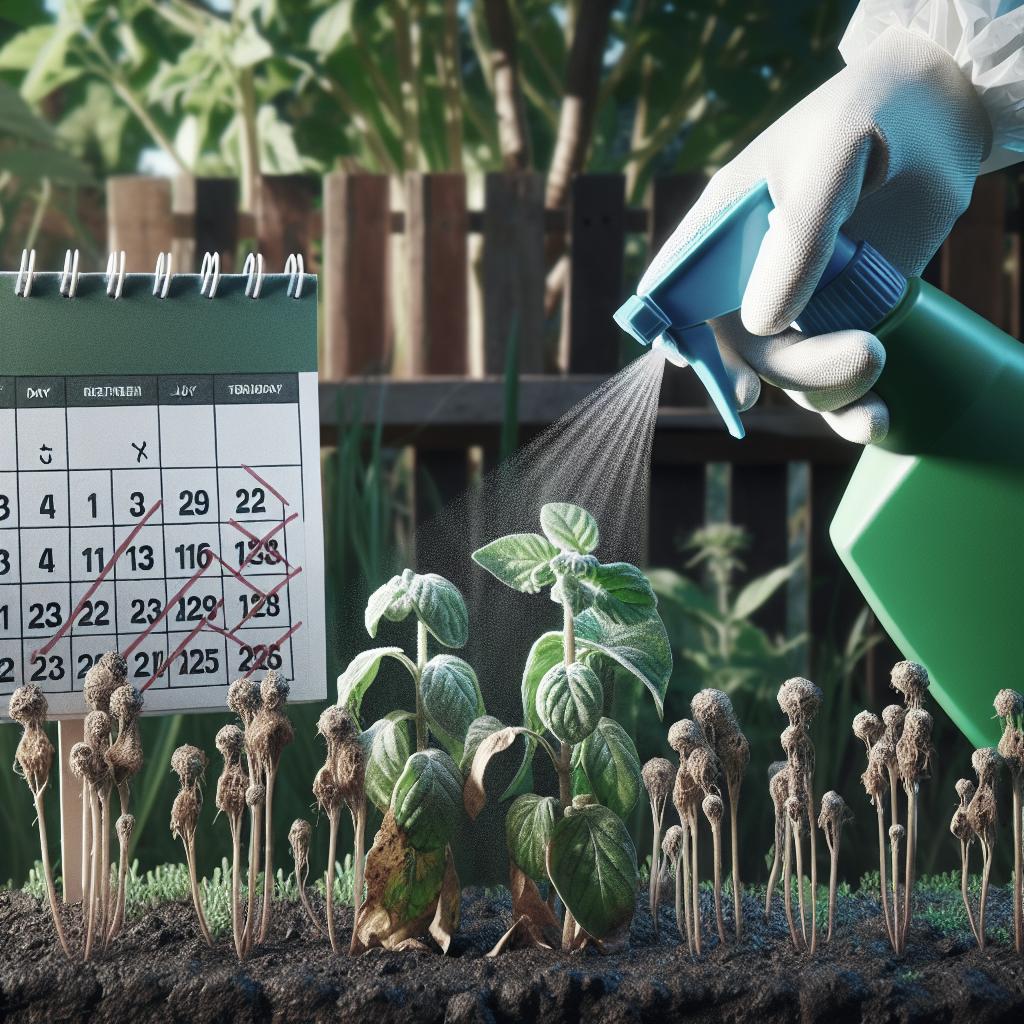
Weeds are the bane of any gardener’s existence, making much effort go to waste if left unchecked. Enter Roundup, a popular herbicide used to combat these unwanted plants. But how long does it actually take for weeds to die after spraying Roundup? Understanding the timing and effectiveness of weed control methods can save time, money, and energy, ensuring your garden or lawn remains lush and weed-free. This post will guide you through different aspects of using Roundup for weed control. From understanding pre-emergent versus post-emergent strategies, to how fast weed killers work, we explore the nitty-gritty details that can make or break your weed management strategy.
Timing is Everything: Pre-Emergent Vs. Post-Emergent Weed Control
When dealing with weeds, timing is crucial. Pre-emergent weed control refers to applying herbicides before weeds have had a chance to germinate and establish themselves. This method is excellent for preventing an infestation before it starts, making it easier to maintain a weed-free landscape. Roundup’s effectiveness can be maximized with proper timing, especially if you catch the weeds in their early stages. On the other hand, post-emergent weed control involves spraying herbicides on weeds that have already emerged from the ground. In this scenario, Roundup needs to be applied directly to the foliage, where it is absorbed and translocated to the root system, ultimately killing the plant. The key is to identify the life cycle of the weeds in your garden and choose the appropriate method accordingly.
How Fast Does Weed Killer Work?
The speed at which weed killer works hinges on various factors, including weed type, weather conditions, and the formulation of the product. For instance, Roundup typically begins to show visible effects on annual weeds within hours, though it may take up to a couple of days for perennial weeds to exhibit the same reaction. Environmental conditions also play a significant role. Warm and sunny conditions accelerate the absorption and action of Roundup, whereas cooler temperatures and rain may delay its effectiveness. Under optimal conditions, most weeds begin to wilt and turn yellow within 1-2 days, and complete death occurs within two weeks.
One Size Doesn’t Fit All
The effectiveness of Roundup can vary depending on the type of weed being targeted. Annual grasses and broadleaf weeds generally succumb quicker to the herbicide compared to stubborn perennial weeds, which have more established root systems. Understanding the specific kind of weeds in your lawn will help you set realistic expectations for how long it will take for Roundup to work. Moreover, some weeds have developed resistance to certain herbicides, including Roundup, due to overuse and lack of diversity in weed management strategies. This calls for an integrated approach that combines chemical treatments with mechanical and cultural practices for more comprehensive weed control.
How Long Does Weed Control Last?
Once Roundup kills the weeds, the real question is, how long will your lawn remain weed-free? The longevity of weed control depends on several factors, such as the type of weeds and environmental conditions. Generally, Roundup offers temporary relief by killing existing weeds, but it does not prevent new weed seeds from germinating. To achieve long-lasting weed control, it’s important to follow up with pre-emergent herbicides and maintain good lawn care practices. Consistent mowing, watering, and fertilizing can help create an environment that favors grass over weeds, thereby prolonging the effects of your initial weed treatment.
The Best Defense Against Weeds? A Healthy Lawn
The old adage “an ounce of prevention is worth a pound of cure” holds particularly true for weed control. A dense, healthy lawn is your best defense against weed invasion. Healthy grass competes effectively with weeds for sunlight, water, and nutrients, making it difficult for weeds to establish themselves. Investing in soil health through regular aeration, proper fertilization, and adequate watering can create conditions that are unfavorable for weeds but ideal for your grass. This proactive approach minimizes the need for chemical interventions like Roundup, making your lawn not only more beautiful but also eco-friendly.
Leave It to the Pros
If tackling weeds on your own seems daunting, professional lawn care services can offer the expertise and tools needed to achieve a weed-free lawn. These services typically provide a comprehensive approach, including soil testing, customized fertilization, and tailored weed control strategies. Professional services can also apply Roundup and other herbicides more efficiently, ensuring that your lawn receives the right treatment at the right time. While this might be a more costly option, the long-term benefits of a professionally managed lawn can outweigh the initial investment.
Is Your Lawn Ready for a New Best Friend?
Roundup can be a powerful ally in your fight against weeds, but it’s not a silver bullet. Understanding how and when to use it, along with integrating other weed management strategies, can help achieve the best results. A well-maintained lawn is your best weapon against weed invasions, reducing the need for frequent chemical interventions. Whether you decide to go it alone or seek professional help, staying informed and vigilant is key. Regularly monitor your lawn for any signs of weed resurgence and act quickly to address them. Your lawn can be a beautiful, healthy sanctuary with the right balance of care and intervention.
Share This
Feeling empowered to tackle those weeds once and for all? Share these insights with your friends and family so they too can enjoy a weed-free lawn. Knowledge is power, and by spreading the word, you’re helping others take control of their gardens and lawns. “`html
| Aspect | Details |
|---|---|
| Pre-Emergent vs. Post-Emergent | Timing is key; pre-emergent targets potential weeds, post-emergent kills existing ones. |
| Speed of Weed Killer | Visible effects in hours to days, total death in up to two weeks, influenced by conditions. |
| Variability | Performance varies by weed type and can be delayed by environmental factors. |
| Duration of Control | Temporary; continuous lawn care and pre-emergent treatments needed for lasting effect. |
| Healthy Lawn | Maintaining a dense, healthy lawn is the best defense against weeds. |
| Professional Help | Professional services can provide expert weed control and maintenance. |
| Integrated Approach | Combining Roundup with other strategies offers the best results. |
“` Consider these lessons as you embark on your journey to a healthier, more beautiful lawn. With knowledge, tools, and a bit of elbow grease, your dream lawn is within reach.

