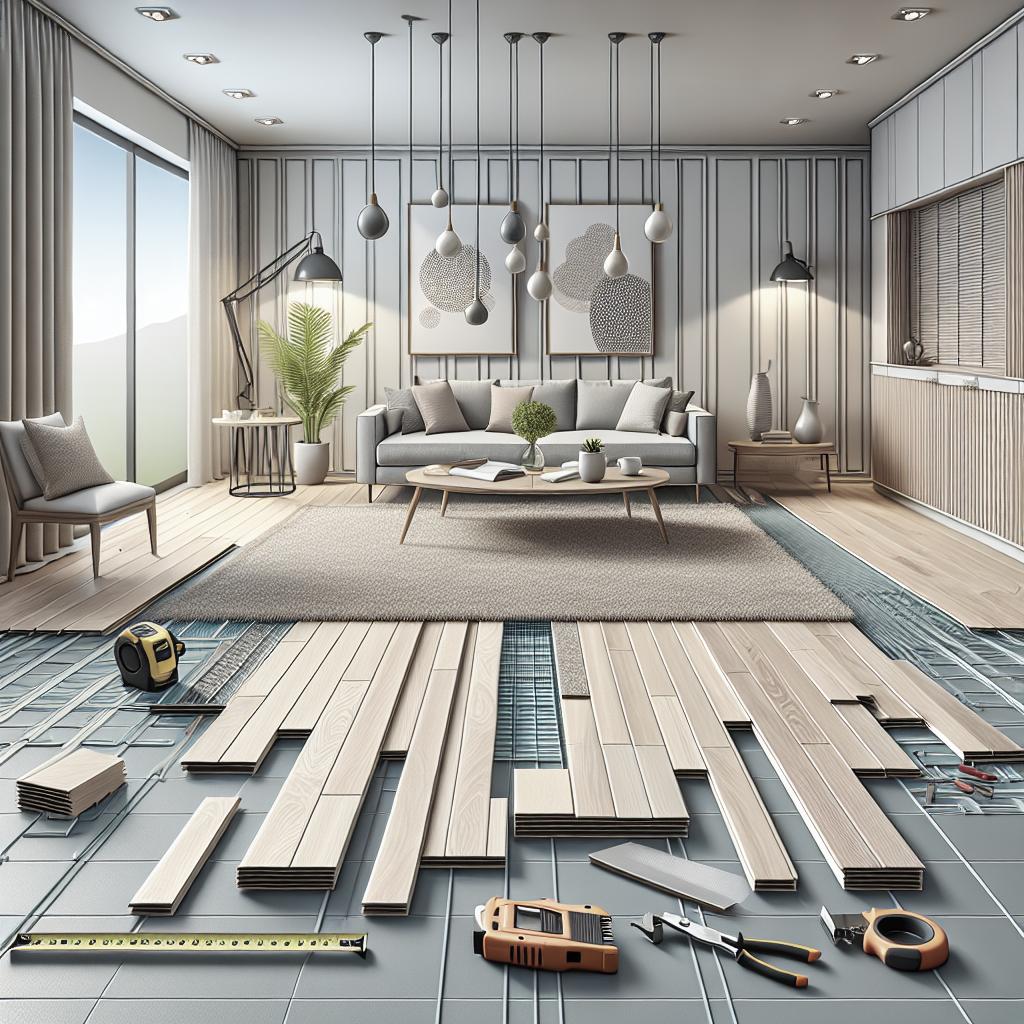
When selecting flooring for upstairs, several factors come into play, including noise reduction, comfort, durability, and the specific needs of each room. Whether you’re renovating an existing space or designing a new build, making the right flooring choice is essential for both function and aesthetics. In this blog post, we explore key considerations for upstairs flooring, delve into the best flooring options such as hardwood, laminate, and luxury vinyl plank (LVP), and discuss specific recommendations for bedrooms and living areas. Additionally, we’ll highlight the importance of subfloor preparation to ensure a flawless finish. Finally, we’ll present our top pick for sustainable flooring solutions in Metro Atlanta, GA.
Key Considerations for Upstairs Flooring
Picking the right flooring for an upstairs area involves evaluating several crucial factors. Given that upstairs spaces frequently consist of bedrooms, living rooms, and sometimes bathrooms, each area presents unique requirements.
Noise Reduction
Noise reduction is often a pressing concern when choosing upstairs flooring. Sound can easily travel between levels in a home, potentially causing disturbances to those on the floors below. Options like carpeting are excellent for their natural sound-dampening qualities, making them ideal for minimizing the noise of footsteps. Additionally, using sound-absorbing underlayment beneath hard surface floors can further reduce noise transmission. In multi-story homes with children or large families, noise reduction becomes an even greater priority. Cork flooring, known for its sound-absorbing properties, can be a less obvious but effective choice. Integrating thick area rugs in high-traffic areas, irrespective of the flooring type, can also help manage noise levels.
Comfort and Warmth
Comfort and warmth are other significant factors, especially in rooms where you spend considerable time barefoot, like bedrooms and bathrooms. Carpeting is inherently comfortable and warm underfoot, making it a popular choice for upstairs areas dedicated to relaxation. Luxury Vinyl Plank (LVP) and laminate flooring have made strides in recent years in providing comfortable and warm surfaces. Both materials can emulate the look of wood or stone but offer a more cushioned feel underfoot, especially if an additional underlayment is used. These materials can also be paired with radiant heating systems for an even cozier experience.
Durability and Traffic Resistance
Durability and resistance to heavy traffic are essential characteristics for upstairs flooring. Depending on the number of inhabitants and the typical usage of the space, flooring must withstand wear and tear over time. Hardwood flooring, known for its durability, can last for decades with proper care. However, it’s prone to scratching and denting, particularly in high-traffic areas. Laminate and Luxury Vinyl Plank options offer substantial durability and are often more resistant to scratches and dents compared to hardwood. Additionally, both options are typically more economical and easier to maintain, making them a savvy choice for busy households.
Best Flooring Options for Upstairs
Delving into the best options for upstairs flooring, we consider a balance of aesthetic appeal, comfort, and practicality. Hardwood, laminate, and LVP emerge as top contenders, each offering unique benefits.
Hardwood Flooring
Hardwood flooring is revered for its timeless beauty and the value it adds to a home. It’s available in various styles, finishes, and wood types, offering endless customization. When maintained correctly, hardwood can last a lifetime, making it a worthy investment. However, hardwood flooring’s susceptibility to scratches and moisture sensitivity means careful consideration is needed. Using rugs in high-traffic areas and choosing engineered hardwood for rooms prone to humidity fluctuations can mitigate potential issues. Although traditionally not the best for noise reduction, advancements in soundproof underlay materials have made hardwood more viable for upstairs spaces.
Laminate Flooring
Laminate flooring is a versatile and cost-effective option that mimics the appearance of hardwood or stone. It is highly durable, stain-resistant, and capable of withstanding heavy foot traffic, making it an ideal choice for family homes. Modern laminate flooring offers high-quality prints and a range of textures, providing an excellent aesthetic appeal without the high price tag of natural materials. Installation is often straightforward, thanks to click-lock systems. However, the key drawback is that it can be noisy, so integrating a sound-absorbing underlayment is advisable.
Luxury Vinyl Plank (LVP)
Luxury Vinyl Plank (LVP) is gaining popularity due to its durability, water resistance, and ease of maintenance. It mimics the look of hardwood and stone, providing an upscale appearance without the high maintenance requirements. LVP is softer and warmer underfoot compared to other hard surface options, offering more comfort. It’s also quieter, contributing to better noise reduction. Installation is relatively simple, and most LVP comes with a click-lock system for DIY projects. Its resilience to water and scratches makes it suitable for high-traffic areas and families with pets.
Considerations for Specific Rooms
While certain flooring options excel in general upstairs applications, specific rooms might benefit from specialized choices. Bedrooms and living areas, in particular, present unique challenges and opportunities.
Bedrooms
In bedrooms, comfort and noise reduction are paramount. Carpeting has long been the go-to choice due to its soft texture and sound-dampening properties. However, hardwood paired with area rugs can provide a luxurious feel while maintaining noise control with the right underlayment. For children’s bedrooms, LVP offers a combination of durability and comfort, with the added benefit of being easy to clean. Allergy sufferers might prefer hardwood or LVP over carpet, as these materials don’t trap dust and allergens as easily.
Living Areas
Living areas upstairs often serve as hubs of activity, necessitating a blend of durability, aesthetics, and comfort. Engineered hardwood can withstand moderate traffic while providing a warm, upscale appearance. It’s also easier to maintain than solid hardwood in variable climate conditions, which often affect upstairs environments. Laminate and LVP are also excellent choices for living areas due to their durability and array of design options. Both materials can mimic the look of real wood or stone at a fraction of the cost and maintenance effort, making them practical yet stylish solutions.
Consider the Importance of Subfloor Preparation
Proper subfloor preparation is crucial for ensuring the longevity and performance of any flooring choice. An uneven or improperly prepared subfloor can lead to problems such as visible seams, excessive noise, and ultimately, a shorter lifespan for the flooring. For hardwood, ensuring the subfloor is dry and level is essential to prevent warping and creaking. Laminate and LVP also require a smooth and clean subfloor to install correctly. Depending on the chosen material, using an appropriate underlayment can enhance soundproofing and comfort, making professional consultation worthwhile.
Your #1 Choice for Sustainable Flooring Solutions in Metro Atlanta, GA
In the bustling and eco-conscious community of Metro Atlanta, sustainable flooring solutions are gaining traction. Companies specializing in eco-friendly materials such as bamboo, cork, and recycled hardwood provide options that are not only stylish and durable but also environmentally responsible. Bamboo flooring is particularly notable for its rapid renewability and robust durability, making it a viable option for upstairs spaces. Cork, known for its natural sound-dampening properties and comfort underfoot, is perfect for bedrooms and living areas. Recycled hardwood offers the timeless beauty of traditional wood flooring with a smaller environmental footprint. Choosing a local provider ensures personalized service, support for the local economy, and the opportunity to see various samples in person. Look for companies that prioritize sustainability in their sourcing and manufacturing processes to make the most eco-friendly and high-quality choice for your home.
Summary of main points
Here’s a concise look at the considerations and best options for upstairs flooring:
| Factor | Best Options | Notes |
|---|---|---|
| Noise Reduction | Carpet, Cork, LVP with soundproof underlayment | Minimizes noise between floors |
| Comfort and Warmth | Carpet, Hardwood with rugs, LVP | Opt for comfortable, warm underfoot materials |
| Durability | Hardwood, Laminate, LVP | Consider traffic resistance especially in high-usage areas |
| Bedrooms | Carpet, Hardwood with rugs, LVP | Focus on comfort and allergy considerations |
| Living Areas | Engineered Hardwood, Laminate, LVP | Balance durability and aesthetics |
| Subfloor Importance | All flooring types | Ensure proper preparation for longevity and performance |
| Sustainable Solutions | Bamboo, Cork, Recycled Hardwood | Eco-friendly and durable choices for an eco-conscious home |